Stabbing And Shooting Occurred In Brooklyn A refers to a violent incident that took place in the borough of Brooklyn in New York City, resulting in serious injuries or fatalities due to knife attacks and firearms.
Such incidents highlight the prevalence of violent crime in certain urban areas, underscoring the need for effective policing, community outreach programs, and initiatives to address the root causes of violence. Understanding the circumstances surrounding these events can aid in developing preventive measures and improving public safety.
Moving forward, we will delve into the details of the specific incident, examining the sequence of events, potential motives, and the impact on the community. Furthermore, we will explore broader issues related to urban violence, crime prevention strategies, and the role of law enforcement in maintaining public order.
Stabbing And Shooting Occurred In Brooklyn A
The tragic incident of "Stabbing And Shooting Occurred In Brooklyn A" highlights several crucial aspects related to urban violence, public safety, and community well-being:
- Violent Crime: Prevalence of serious physical attacks using knives and firearms.
- Urban Setting: Concentration of violent incidents within densely populated metropolitan areas.
- Community Impact: Devastating effects on victims, families, and the local neighborhood.
- Public Safety: Urgent need for effective policing and preventive measures to ensure community safety.
- Root Causes: Exploration of underlying social and economic factors contributing to violence.
- Law Enforcement: Role of police in responding to incidents, apprehending suspects, and deterring crime.
- Community Outreach: Importance of engaging with communities to address violence and its root causes.
- Crime Prevention: Development and implementation of strategies aimed at reducing the likelihood of violent incidents.
- Victim Support: Provision of medical, emotional, and legal assistance to victims of violence.
- Public Awareness: Raising awareness about the issue of urban violence and its impact on society.
These aspects are interconnected and essential for understanding the complexities of urban violence. By addressing these issues through comprehensive approaches that involve law enforcement, community engagement, and preventive measures, we can work towards creating safer and more just communities.
Violent Crime
The prevalence of violent crime involving knives and firearms, as exemplified by the "Stabbing And Shooting Occurred In Brooklyn A" incident, presents a serious concern for public safety. These incidents highlight the easy accessibility and misuse of dangerous weapons, leading to severe injuries or even fatalities. Violent crimes using knives and firearms often occur in urban settings, where densely populated areas may provide anonymity and opportunities for perpetrators to commit such acts.
Understanding the prevalence of violent crime is crucial for developing effective prevention strategies. Law enforcement agencies, policymakers, and community organizations must collaborate to address the root causes of violence, such as poverty, lack of opportunity, and the illegal arms trade. By implementing targeted interventions and promoting community engagement, we can work towards reducing the incidence of violent crime and creating safer neighborhoods.
In the aftermath of incidents like "Stabbing And Shooting Occurred In Brooklyn A," it is essential to provide support to victims and their families. Access to medical care, counseling services, and legal assistance can help them cope with the trauma and rebuild their lives. Additionally, community outreach programs that focus on violence prevention and conflict resolution can play a vital role in fostering a culture of peace and reducing the likelihood of future incidents.
Urban Setting
The incident of "Stabbing And Shooting Occurred In Brooklyn A" underscores the concerning connection between urban settings and the concentration of violent incidents within densely populated metropolitan areas. This phenomenon manifests in several key facets:
- Population Density and Crime Rates: Densely populated urban areas often exhibit higher crime rates compared to less populated regions. This is attributed to factors such as increased anonymity, greater opportunities for criminal activity, and strained resources in providing adequate policing and social services.
- Socioeconomic Disparities: Urban settings frequently harbor significant socioeconomic disparities, with pockets of poverty and social marginalization. These conditions can contribute to feelings of hopelessness and alienation, potentially leading to increased violent crime as a means of expressing frustration or acquiring resources.
- Lack of Green Spaces and Public Amenities: Urban environments often lack sufficient green spaces and public amenities, which are crucial for community cohesion and well-being. The absence of these spaces can limit opportunities for positive social interactions and contribute to a sense of isolation, potentially fueling violent behavior.
- Gang Activity and Turf Wars: Densely populated urban areas may provide fertile ground for gang activity and turf wars, as gangs seek to establish control over territory and resources. These conflicts can escalate into violent confrontations, posing a threat to public safety.
Addressing the connection between urban settings and violent crime requires a comprehensive approach that encompasses urban planning, social welfare programs, community policing, and educational initiatives. By investing in these areas, we can work towards creating more livable and equitable urban environments where violent incidents are less likely to occur.
Community Impact
The incident of "Stabbing And Shooting Occurred In Brooklyn A" exemplifies the devastating impact violent crime can have on victims, their families, and the local neighborhood. Such incidents shatter lives and leave lasting scars on individuals and communities, affecting their physical, emotional, and social well-being.
Victims of violent crime often suffer severe physical injuries, requiring extensive medical treatment and rehabilitation. The trauma of the attack can also lead to long-term psychological consequences, such as post-traumatic stress disorder (PTSD), anxiety, and depression. Families of victims also experience immense emotional distress, grappling with the pain of loss, fear for their safety, and financial burdens associated with medical expenses.
The local neighborhood is deeply affected by violent incidents, as they disrupt the sense of safety and trust within the community. Residents may become fearful of venturing out, leading to a decline in social interactions and community cohesion. Businesses may suffer economic losses due to reduced foot traffic and a negative perception of the area. Moreover, violent incidents can perpetuate a cycle of violence, as they can trigger retaliatory actions or create a climate of fear and mistrust.
Understanding the devastating impact of violent crime on victims, families, and the local neighborhood is crucial for developing effective prevention strategies. By acknowledging the human toll of such incidents, we can prioritize policies and programs aimed at reducing violence, supporting victims and their families, and fostering community resilience.
Addressing the community impact of violent crime requires a comprehensive approach that involves law enforcement, social services, community organizations, and residents working together. This includes implementing targeted interventions to prevent violence, providing support to victims and their families, and creating safe and inclusive neighborhoods where residents feel valued and connected.
By investing in community-based initiatives and prioritizing the well-being of all residents, we can work towards creating a society where violent incidents like "Stabbing And Shooting Occurred In Brooklyn A" become less frequent and their devastating impact on individuals and communities is minimized.
Public Safety
The incident of "Stabbing And Shooting Occurred In Brooklyn A" underscores the critical connection between public safety and the urgent need for effective policing and preventive measures to ensure community safety. Ensuring public safety requires a comprehensive approach that encompasses both reactive and proactive strategies.
Effective policing plays a vital role in deterring crime, apprehending suspects, and maintaining order. Law enforcement agencies must be adequately resourced and trained to respond swiftly and effectively to incidents of violence. Community policing initiatives, which foster collaboration between law enforcement and residents, can help build trust and improve communication, leading to increased public safety.
Preventive measures are equally crucial in reducing the likelihood of violent incidents occurring in the first place. Community outreach programs that address the root causes of crime, such as poverty, lack of opportunity, and social marginalization, can help prevent individuals from resorting to violence. Investing in education, job training, and social services can create pathways to success and reduce the risk of involvement in criminal activity.
The incident of "Stabbing And Shooting Occurred In Brooklyn A" serves as a stark reminder of the devastating consequences of violent crime and the urgent need for effective policing and preventive measures. By investing in these areas, we can work towards creating safer communities where residents feel protected and can thrive.
Root Causes
The incident of "Stabbing And Shooting Occurred In Brooklyn A" underscores the urgent need to explore the underlying social and economic factors that contribute to violence. By understanding the root causes, we can develop more effective and targeted strategies for prevention and intervention.
- Poverty and Economic Disparities: Poverty and lack of economic opportunities can lead to feelings of hopelessness and frustration, increasing the risk of involvement in violent behavior. In underprivileged communities, individuals may turn to violence as a means of acquiring resources or asserting their status.
- Lack of Education and Employment: Limited access to quality education and job opportunities can limit individuals' ability to achieve their goals and contribute positively to society. This can lead to feelings of alienation and disenfranchisement, potentially contributing to violent behavior as a form of expressing anger or frustration.
- Social Marginalization and Discrimination: Social exclusion, discrimination, and prejudice can create a sense of isolation and injustice, increasing the likelihood of violent behavior. Individuals who feel marginalized or discriminated against may resort to violence as a means of lashing out or asserting their identity.
- Community Disorganization and Lack of Social Cohesion: Communities lacking strong social bonds and a sense of collective responsibility may be more prone to violence. In such communities, individuals may feel less connected to others and less accountable for their actions, potentially leading to increased violence.
Addressing the root causes of violence requires a comprehensive approach that involves investing in education, job training, social services, and community development programs. By creating opportunities for individuals to improve their lives and fostering a sense of belonging and social cohesion, we can work towards reducing violence and creating safer communities.
Law Enforcement
In the aftermath of the tragic incident of "Stabbing And Shooting Occurred In Brooklyn A," the role of law enforcement in responding to incidents, apprehending suspects, and deterring crime takes center stage. Effective policing is crucial for maintaining public safety and preventing future violent incidents.
- Rapid Response and Crime Prevention: Law enforcement plays a vital role in responding swiftly to reports of violent incidents, apprehending suspects, and preserving evidence. By maintaining a visible presence in communities, police officers can deter potential criminals and create a sense of security among residents.
- Investigation and Apprehension: Law enforcement officers are responsible for conducting thorough investigations into violent crimes, collecting evidence, and apprehending suspects. Their ability to solve crimes and bring perpetrators to justice helps to reduce the likelihood of repeat offenses and provides closure to victims and their families.
- Community Policing and Engagement: Effective policing involves building strong relationships with the communities they serve. Through community policing initiatives, law enforcement officers can foster trust, gather intelligence, and work alongside residents to address local safety concerns and prevent violence.
- Use of Force and De-escalation: Law enforcement officers are often faced with situations where they must use force to protect themselves or others. Proper training and guidelines are essential to ensure that force is used appropriately and proportionately. De-escalation techniques can help officers resolve conflicts peacefully and avoid the use of excessive force.
The incident of "Stabbing And Shooting Occurred In Brooklyn A" highlights the critical role of law enforcement in maintaining public safety. By responding swiftly, investigating thoroughly, engaging with communities, and using force responsibly, law enforcement agencies can help prevent and address violent crime, making our streets safer for all.
Community Outreach
The tragic incident of "Stabbing And Shooting Occurred In Brooklyn A" underscores the critical role of community outreach in addressing violence and its root causes. Community outreach involves actively engaging with residents, community organizations, and local leaders to understand their concerns, identify underlying issues contributing to violence, and develop collaborative solutions.
By establishing open lines of communication and fostering trust, law enforcement agencies and community organizations can work together to address the root causes of violence, such as poverty, lack of opportunity, and social marginalization. Community outreach programs can provide support services, educational opportunities, and job training, helping to create a more positive and empowering environment for residents.
For instance, community outreach programs have been shown to reduce youth violence by providing mentorship, after-school programs, and conflict resolution training. By engaging with at-risk youth and addressing the underlying factors that contribute to violence, these programs can help prevent future incidents and promote positive youth development.
Furthermore, community outreach is essential for building trust between law enforcement and the communities they serve. Through regular interactions and dialogue, residents can voice their concerns, provide valuable information, and work alongside law enforcement to address local safety issues. This collaboration fosters a sense of shared responsibility and empowers communities to play an active role in preventing violence.
The incident of "Stabbing And Shooting Occurred In Brooklyn A" serves as a stark reminder of the devastating consequences of violence and the urgent need for effective community outreach programs. By engaging with communities, understanding their needs, and working together to address the root causes of violence, we can create safer and more just neighborhoods for all.
Crime Prevention
The tragic incident of "Stabbing And Shooting Occurred In Brooklyn A" underscores the critical need for effective crime prevention strategies to reduce the likelihood of such violent incidents. Crime prevention involves a comprehensive approach that addresses the root causes of crime and implements proactive measures to deter and prevent criminal activity.
One key aspect of crime prevention is identifying and addressing the underlying factors that contribute to violence, such as poverty, lack of opportunity, and social inequality. By investing in education, job training, and community development programs, we can create a more just and equitable society where individuals have the resources and opportunities they need to succeed, reducing the risk of resorting to violence.
Another important element of crime prevention is community policing. Through community policing initiatives, law enforcement agencies can work closely with residents and community organizations to identify and address local safety concerns. This collaborative approach fosters trust and mutual respect, enabling law enforcement to be more effective in preventing crime and responding to incidents.
Furthermore, crime prevention strategies should focus on youth outreach programs and early intervention services. By providing mentorship, after-school programs, and conflict resolution training to at-risk youth, we can help them develop positive coping mechanisms and avoid involvement in violence.
The incident of "Stabbing And Shooting Occurred In Brooklyn A" serves as a stark reminder of the devastating consequences of violent crime and the urgent need for effective crime prevention strategies. By implementing comprehensive approaches that address the root causes of crime, foster community partnerships, and provide support to at-risk individuals, we can work towards creating safer and more just communities for all.
Victim Support
In the aftermath of the horrific incident of "Stabbing And Shooting Occurred In Brooklyn A," providing comprehensive victim support is paramount. Victims of such violent crimes often suffer not only from physical injuries but also from severe emotional and psychological trauma.
Medical assistance is crucial to ensure the victims receive proper treatment and care for their physical wounds. This includes emergency medical attention, surgeries, and ongoing medical care for long-term injuries.
Emotional support is equally essential in helping victims cope with the psychological impact of the crime. Trauma-informed counseling, support groups, and crisis intervention services can provide a safe space for victims to process their emotions, rebuild their sense of safety, and begin the healing process.
Legal assistance is another critical component of victim support. Victims may need legal representation to navigate the criminal justice system, file for compensation, and protect their rights. Legal aid organizations and pro bono attorneys can provide invaluable support to victims, ensuring they have access to justice and the resources they need to rebuild their lives.
The provision of medical, emotional, and legal assistance to victims of violence is not only a moral imperative but also a practical necessity. By providing comprehensive support, we can help victims recover from their injuries, regain a sense of safety and well-being, and reclaim their lives after experiencing a traumatic event.
Public Awareness
The tragic incident of "Stabbing And Shooting Occurred In Brooklyn A" underscores the critical need for public awareness about the issue of urban violence and its devastating impact on society. Raising awareness involves educating the public about the prevalence, causes, and consequences of urban violence, fostering a sense of collective responsibility, and promoting evidence-based solutions.
- Understanding the Prevalence and Causes: Public awareness campaigns can disseminate information about the prevalence of urban violence, its root causes, and the factors that contribute to it, such as poverty, inequality, and lack of opportunity. This knowledge helps dispel myths and stereotypes, and fosters a more informed and compassionate public discourse.
- Highlighting the Human Toll: Public awareness campaigns can humanize the issue of urban violence by sharing the stories of victims and their families. These narratives bring the consequences of violence to life, evoking empathy and galvanizing the public to demand change.
- Promoting Community Engagement: Public awareness campaigns can encourage community members to get involved in violence prevention efforts. By volunteering, participating in community dialogues, and advocating for policies that address the root causes of violence, the public can play a vital role in creating safer and more just communities.
- Challenging Stereotypes and Biases: Public awareness campaigns can challenge harmful stereotypes and biases that perpetuate urban violence. By promoting positive and accurate representations of urban communities and their residents, these campaigns can help break down barriers and foster a more inclusive and equitable society.
Raising public awareness about urban violence is not only a moral imperative but also a practical necessity. By shedding light on this critical issue, we can mobilize collective action, demand policy changes, and create a more informed and engaged citizenry that is committed to building safer and more just communities for all.
Frequently Asked Questions (FAQs)
This section addresses commonly asked questions and concerns regarding the tragic incident of "Stabbing And Shooting Occurred In Brooklyn A," providing concise and informative answers.
Question 1: What happened in the incident referred to as "Stabbing And Shooting Occurred In Brooklyn A"?
Answer: The incident involved a violent altercation resulting in serious injuries or fatalities due to knife attacks and firearms in the borough of Brooklyn in New York City.
Question 2: What are the potential motives behind such a violent incident?
Answer: Motives for violent crimes can vary widely and may include personal disputes, gang-related conflicts, mental health issues, or a combination of factors. Investigators work to determine the specific motives in each case.
Question 3: What is being done to prevent similar incidents from occurring in the future?
Answer: Authorities are actively investigating the incident, and law enforcement agencies are implementing measures to enhance public safety. Community outreach programs and initiatives aimed at addressing the root causes of violence are also being explored.
Question 4: How can the community support victims and their families affected by this tragedy?
Answer: The community can provide support through acts of kindness, empathy, and practical assistance. Reaching out to local organizations or authorities to inquire about ways to help is encouraged.
Question 5: What are the warning signs that someone may be at risk of committing a violent act?
Answer: Potential warning signs may include a history of violence, threats or aggressive behavior, substance abuse, or social isolation. If such signs are observed, it is crucial to seek professional help or report them to the authorities.
Question 6: How can we promote a culture of non-violence and conflict resolution in our communities?
Answer: Fostering a culture of non-violence involves education, community engagement, conflict mediation programs, and promoting empathy and respect for others. By working together, we can create safer and more harmonious communities.
In conclusion, understanding the circumstances and addressing the concerns surrounding "Stabbing And Shooting Occurred In Brooklyn A" is crucial for preventing future incidents and promoting public safety. Through collective efforts and a commitment to creating a just and equitable society, we can build stronger and more resilient communities.
Transition to the next article section...
Tips to Enhance Safety and Prevent Violent Incidents
In light of the tragic incident of "Stabbing And Shooting Occurred In Brooklyn A," it is imperative to adopt proactive measures to enhance safety and prevent similar incidents from occurring. Here are some crucial tips to consider:
Tip 1: Report Suspicious Activity
If you witness or suspect any suspicious activity, such as individuals carrying weapons or engaging in aggressive behavior, report it to the authorities immediately. Your vigilance can help prevent potential threats and ensure the safety of your community.
Tip 2: Enhance Home Security
Take steps to secure your home by installing security systems, ensuring proper lighting, and maintaining strong locks on doors and windows. These measures can deter potential intruders and provide peace of mind.
Tip 3: Be Aware of Your Surroundings
Pay attention to your surroundings and avoid isolated or poorly lit areas, especially at night. Walk with a confident demeanor and trust your instincts. If you sense something is amiss, remove yourself from the situation and seek help.
Tip 4: Foster Community Connections
Building strong community ties can create a sense of collective responsibility and support. Engage with your neighbors, participate in community events, and work together to address any safety concerns or suspicious activities.
Tip 5: Promote Conflict Resolution
Encourage peaceful conflict resolution by avoiding confrontations and seeking mediation or professional help when disputes arise. Promote dialogue, empathy, and respect for differing viewpoints to prevent conflicts from escalating into violence.
Tip 6: Support Victims and Report Crimes
If you know someone who has been a victim of violence, offer your support and encourage them to report the crime to the authorities. Your empathy and willingness to assist can empower victims and ensure that perpetrators are held accountable.
Tip 7: Advocate for Prevention Programs
Support community programs and initiatives aimed at preventing violence. These programs often address underlying social and economic factors that contribute to violent behavior, such as poverty, lack of opportunity, and mental health issues.
Tip 8: Promote a Culture of Respect and Non-Violence
Educate yourself and others about the importance of non-violence, tolerance, and respect for human life. Challenge harmful stereotypes and promote a culture that values empathy, compassion, and peaceful coexistence.
By implementing these tips, we can work together to create safer and more harmonious communities where violent incidents are less likely to occur.
Remember, public safety is a shared responsibility. By staying vigilant, supporting one another, and advocating for preventive measures, we can make a positive impact and build a better future for all.
Conclusion
The tragic incident of "Stabbing And Shooting Occurred In Brooklyn A" underscores the urgent need for comprehensive strategies to address urban violence, its root causes, and its devastating impact on communities. This article has explored various aspects of this issue, including the prevalence of violent crime in urban settings, the role of law enforcement, the importance of community outreach and crime prevention, the provision of victim support, and the need for public awareness.
To prevent future incidents and build safer communities, it is crucial that we work together. By reporting suspicious activities, enhancing home security, being aware of our surroundings, and fostering community connections, we can create a culture of vigilance and support. Additionally, promoting conflict resolution, supporting victims, and advocating for prevention programs are essential steps towards addressing the underlying causes of violence.
Ultimately, the key to reducing urban violence lies in creating a just and equitable society where individuals have access to opportunity, support, and a sense of belonging. By embracing a culture of respect, non-violence, and empathy, we can work towards a future where incidents like "Stabbing And Shooting Occurred In Brooklyn A" become less frequent and our communities thrive in safety and harmony.
Uncover The Rise Of Austin Broderson: A Young Canadian Bareback Bronc Prodigy
Sonia Mangat: Unveiling Height, Weight, Net Worth, Age, And Unseen Details
Unveiling Alfonso Ribeiro's Enigma: Net Worth, Age, Height, And Wife Revealed

Five people shot, one stabbed in three violent Brooklyn incidents
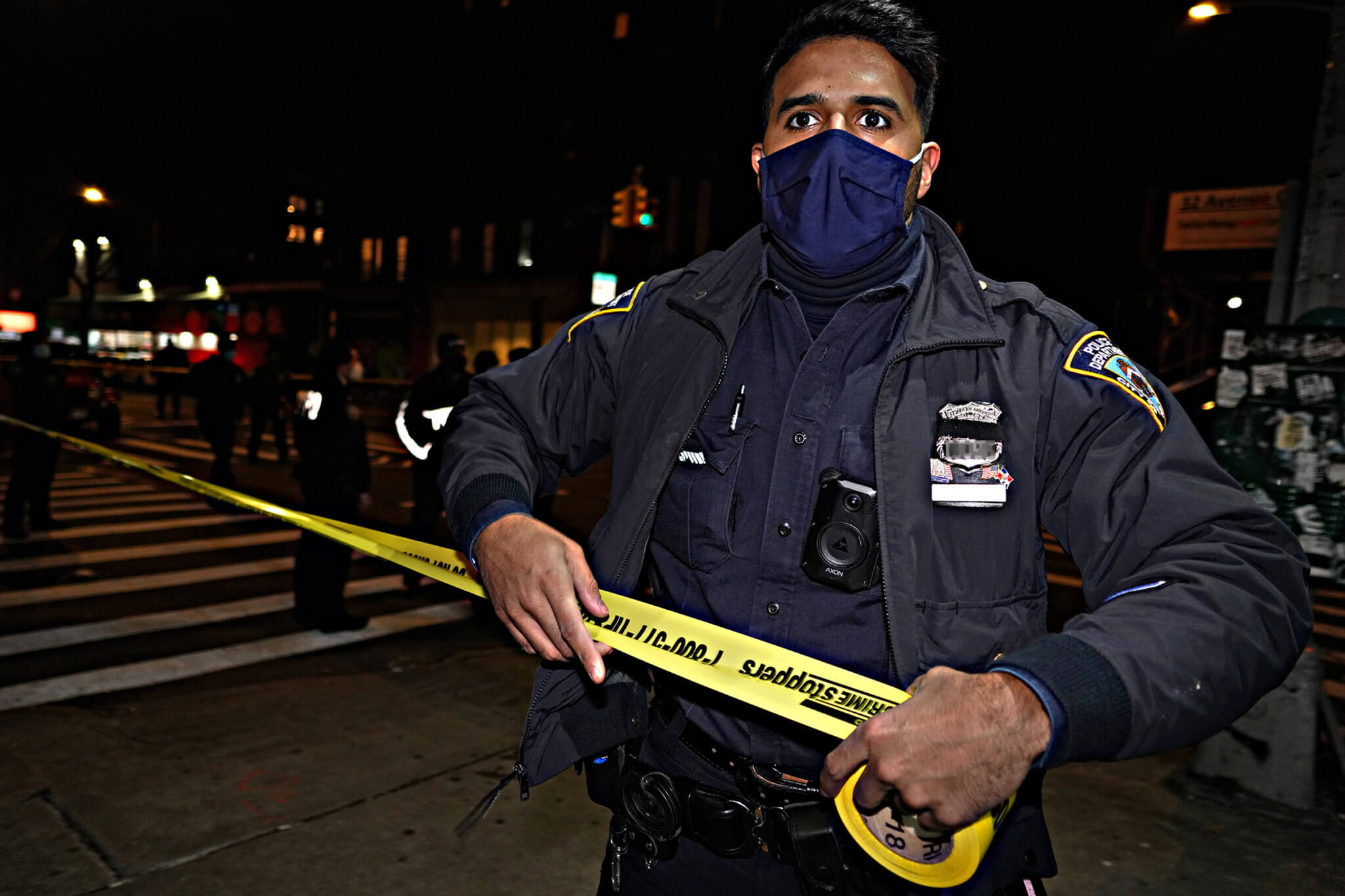
Three Brooklyn shootings leave man dead, two others injured amNewYork

3 Dead in Reported Brooklyn Stabbing The New York Times

